


Explore Popular Pin Uses
From municipal departments to federal agencies — the pin uses government teams order most.


One Government, Three Very Different Pin Orders
City hall, the agency office, and the public-safety departments all order pins — for different people, on different paperwork.
Municipal and County
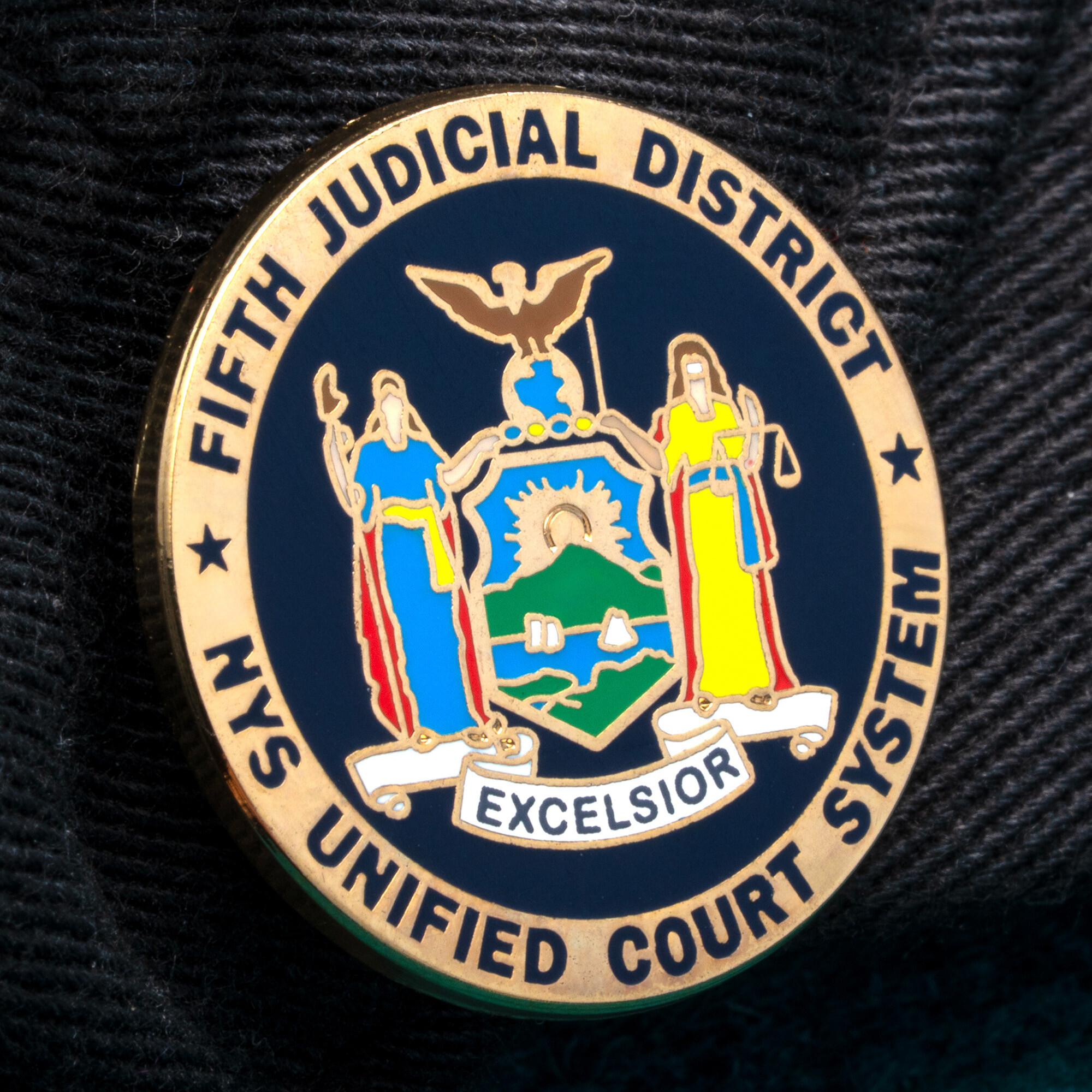
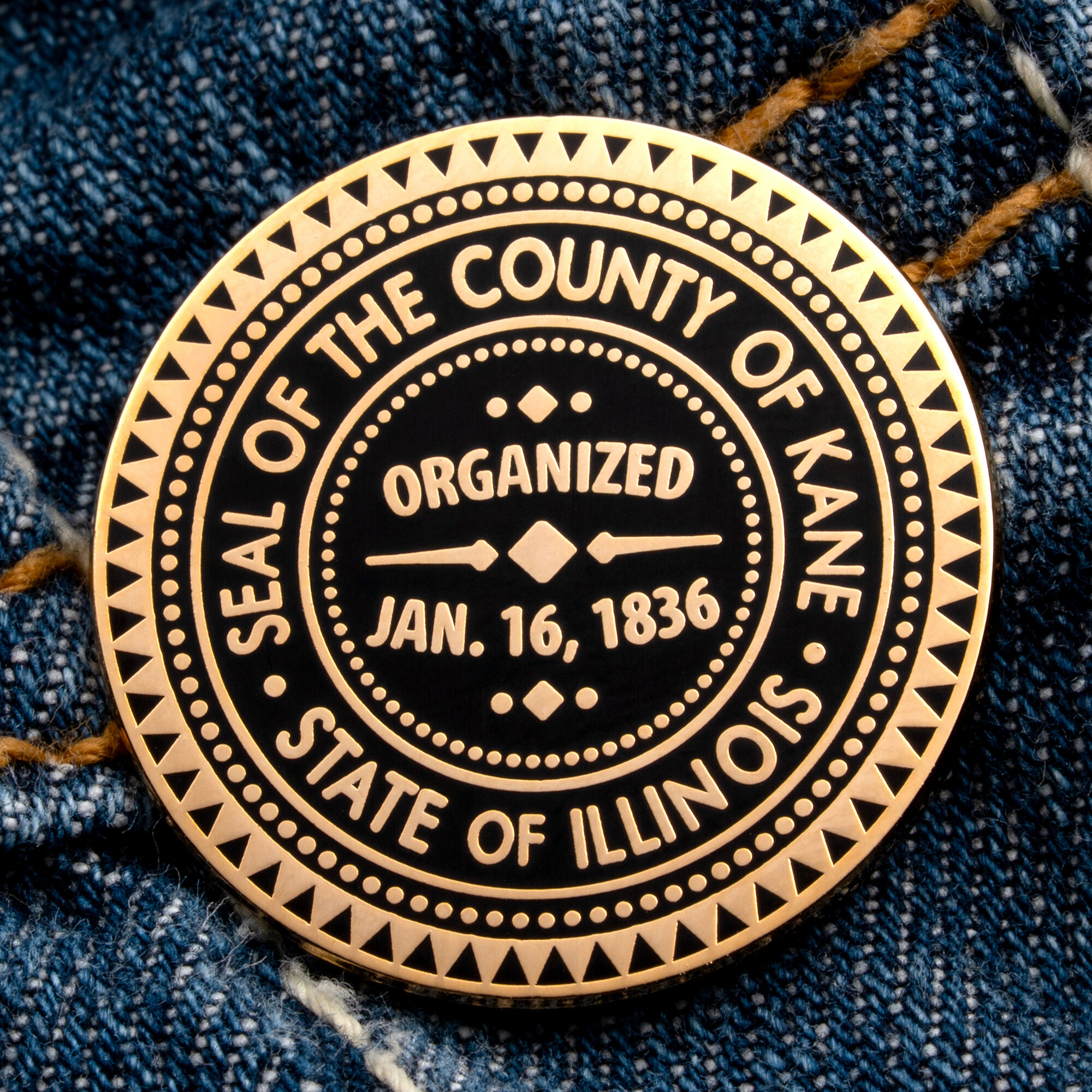
City and county seals are the bread and butter here — worn by commissioners and clerks, handed out at ribbon cuttings, sold at the visitor center. Public works crews, parks departments, libraries, and courts each tend to want their own variant off the same seal, and one base design with a changed department band reuses the mold, so the second department costs less than the first. Employee milestones run through the same order: years of service pins with the county seal are how a 25-year clerk gets recognized.
State and Federal Agencies
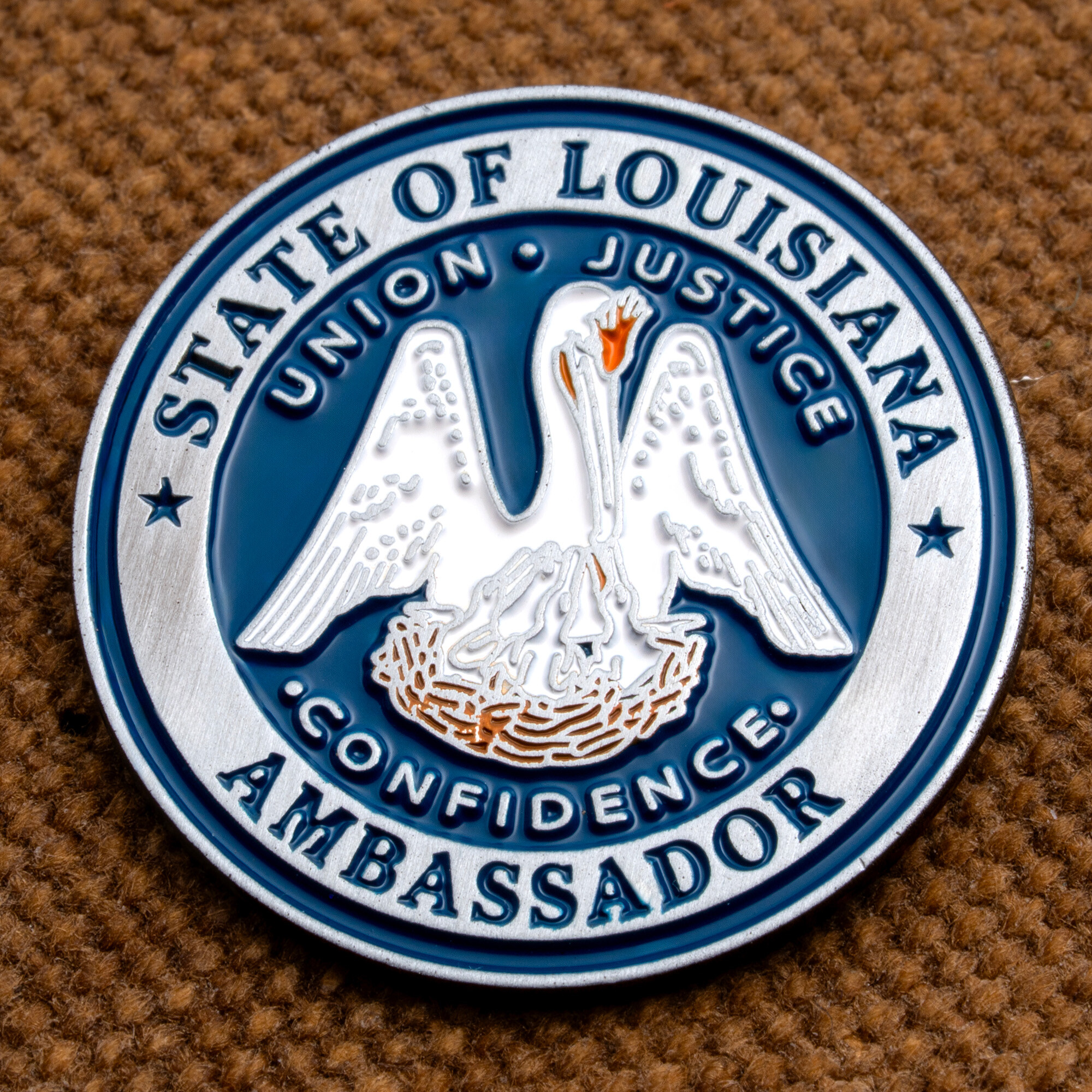
Agency and division pins mark belonging to something the public can't buy into — a bureau, a program office, a task force, a delegation headed to a conference. Official seals reproduce cleanly in die struck metal, which is why so many agency pins are antique gold or silver rather than full color, and Pantone matching keeps the color versions inside the style guide. These are also the orders where purchase orders and procurement rules come first — tell your salesperson up front and the paperwork routes accordingly.
Public Safety and Service
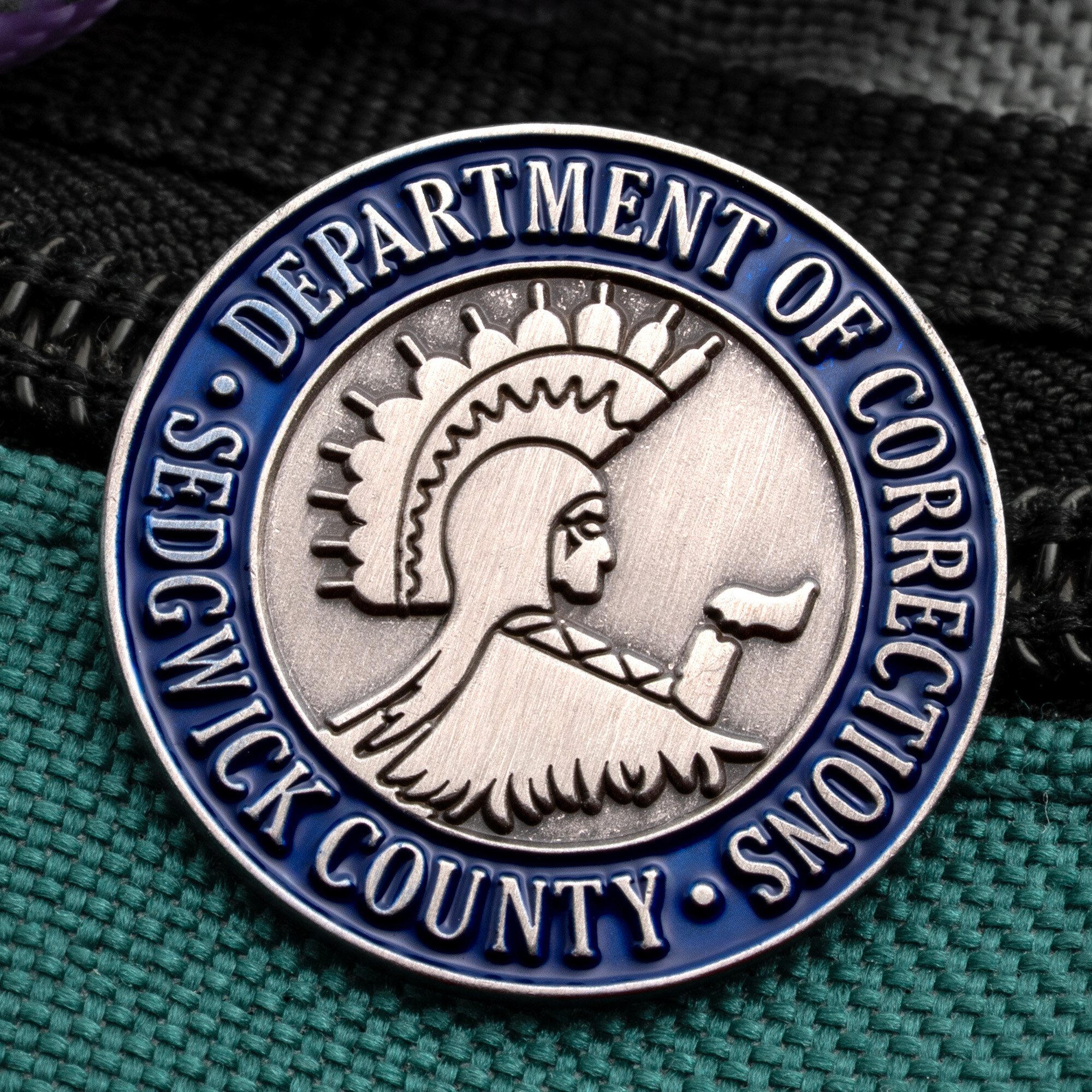
Police departments, sheriff's offices, fire and EMS, corrections, and dispatch centers order more pins than the rest of government combined — badge replicas, unit insignia, academy classes, memorials. Police pins have their own page for exactly that work, flag pins with an agency emblem beside the flag are a standing order for public-facing departments, and military pins cover Guard and Reserve units that sit inside state government.
Trusted by teams across industries
From Your Vision to a Finished Masterpiece
Don't touch a pixel. Our award-winning design team handles everything, you just share your idea and approve the proof.
See What Our Customers Are Saying
Pins We've Created for Agencies Like Yours
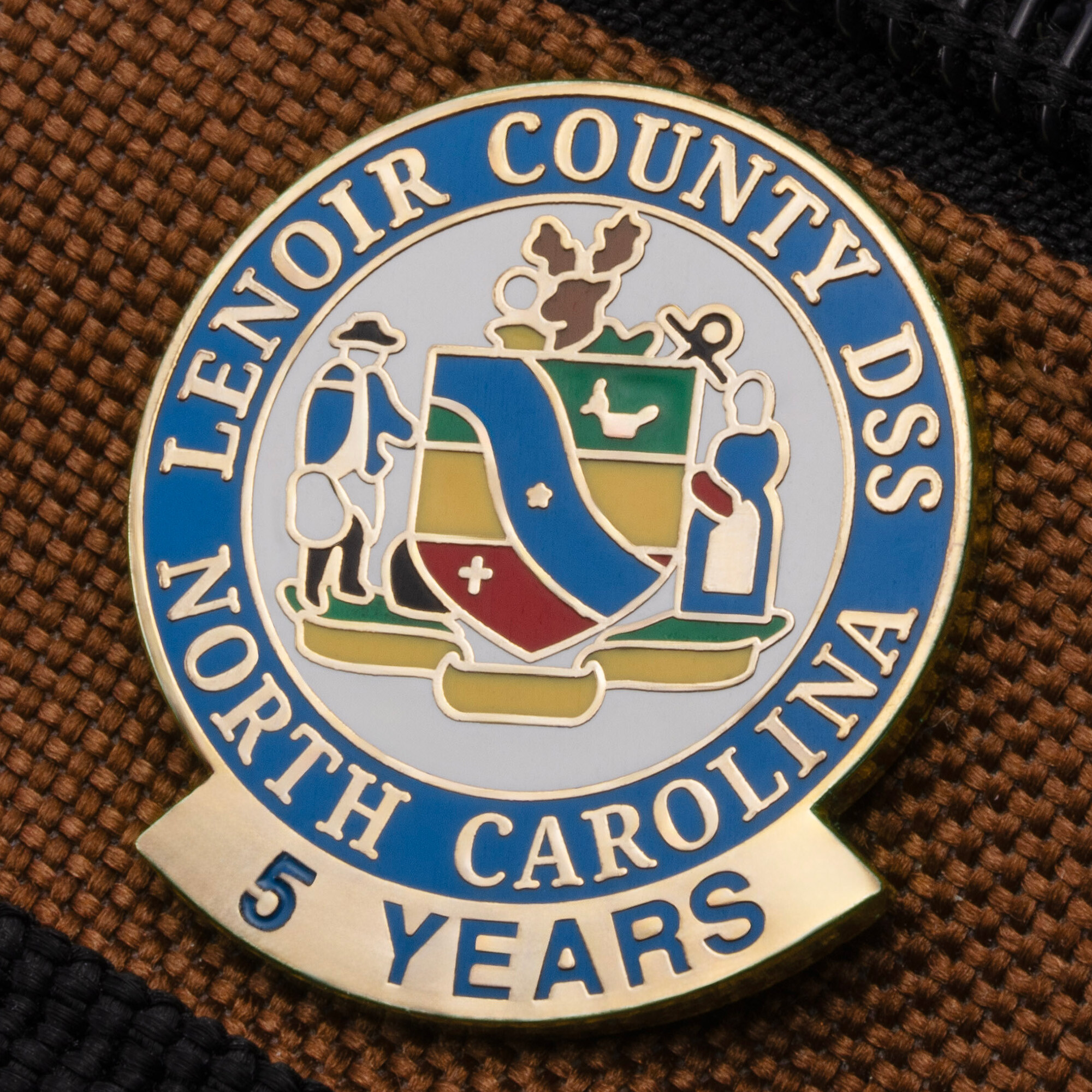
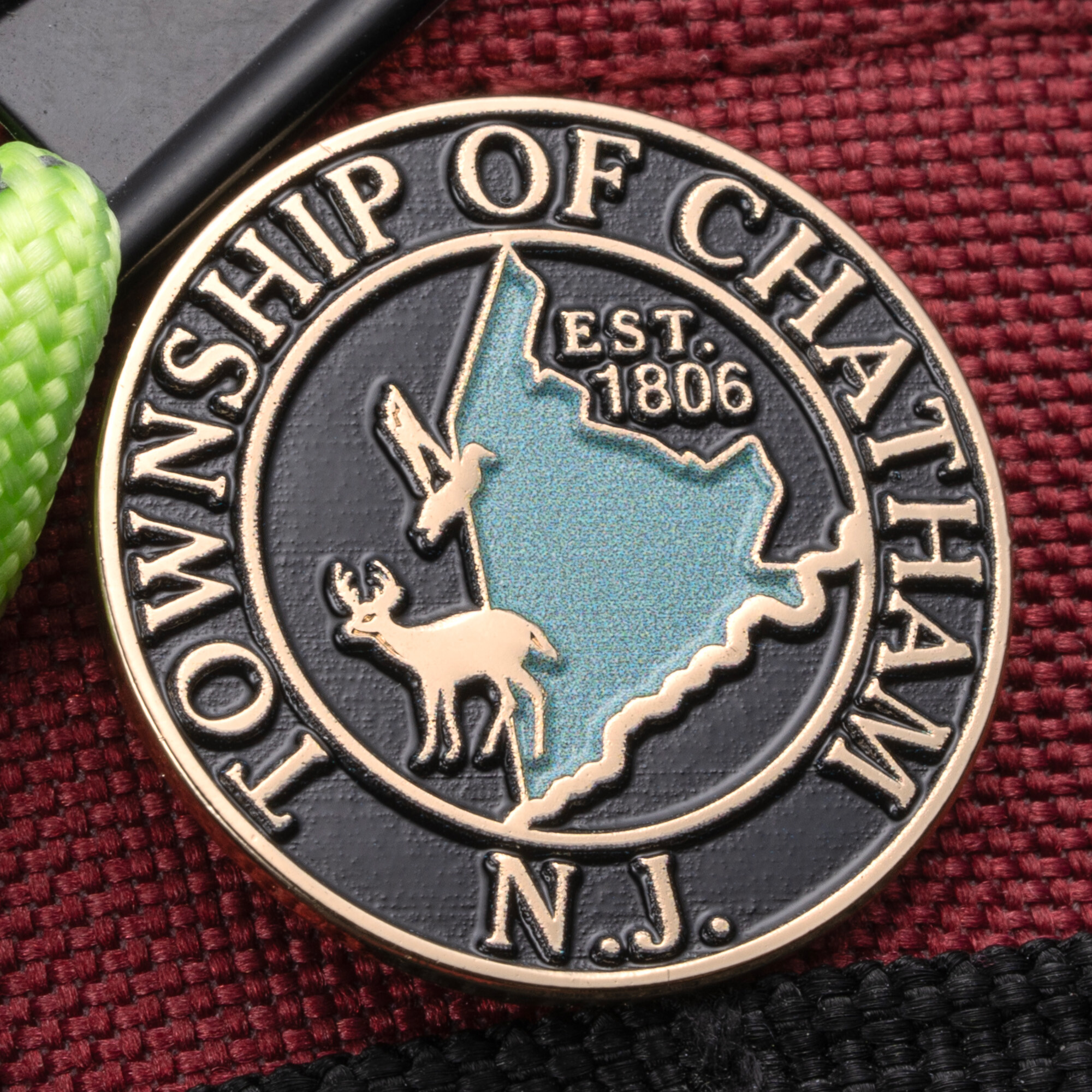

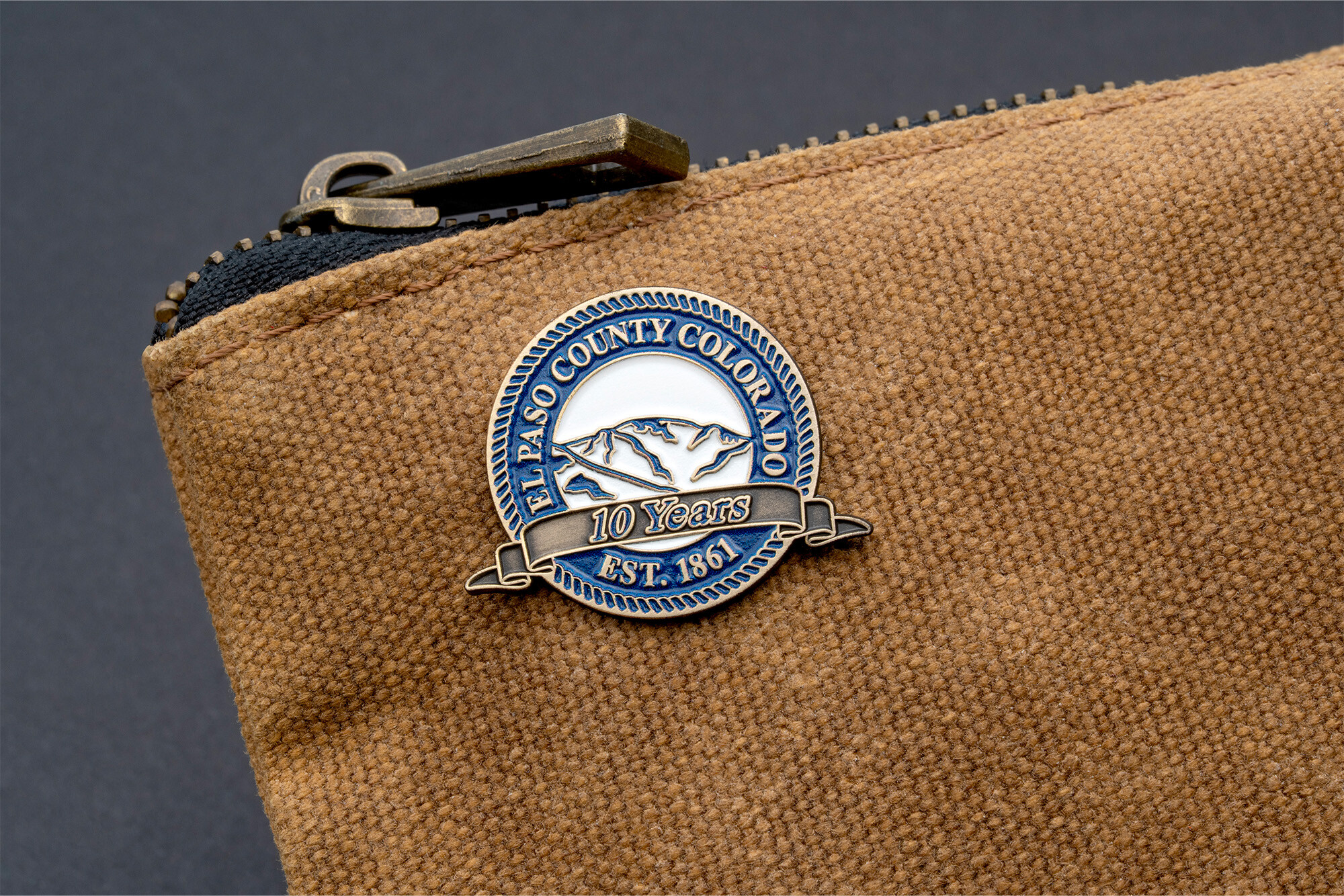
Start a pin like this!
Built for How Government Actually Buys
Purchase orders, style guides, approval chains, and a budget line that has to survive an audit. We've worked inside all of them for 26 years.
Seal Pins, Service Pins, and Delegation Pins
Different offices call them different things — and a few decisions are worth making on purpose.
Government orders sort into three shapes. A seal pin is the official emblem itself — city, county, or agency — worn on a lapel by anyone representing the office. A service pin marks tenure or completion: years-of-service milestones, academy graduation, a program office's commissioning. A delegation pin exists to be given away — at conferences, sister-city visits, and legislative sessions, where trading pins between offices is older than most of the buildings involved. All three are the same manufacturing process, and all three start from artwork the office already has.
Style is the decision that matters most. An engraved-looking seal wants die struck gold or silver — it reads as official in a way color doesn't. A full-color seal or a program logo strikes in soft enamel with Pantone matching; a pin meant to feel like an award — a commissioner's pin, a retirement piece — is worth doing in cloisonné, polished flush like jewelry. Seals with fine engraving-style detail that can't simplify into enamel colors reproduce exactly with offset printing.
The practical decisions are procurement-shaped. One base design with per-department or per-year variants reuses the mold, which is how a county covers ten departments without ten budgets. Reorders cost less than first runs for the same reason — we keep the mold on file. And quantity tiers at 100, 200, 300, and 500 mean a consolidated order across offices lands a better rate than each office buying alone; compare the volume tiers before the requisition is written.
Everything You Need to Know
Can you reproduce our agency's official seal?
Yes — seals are most of what this category is. Send the highest-resolution version of the seal or emblem you have and our art team redraws it for metal, keeping the detail that survives at pin scale and flagging anything that won’t. A die struck pin in antique gold or silver is the standard treatment for a formal seal; full-color versions strike in soft or hard enamel with Pantone matching.
Do you accept purchase orders from government agencies?
Yes. Departments and agencies regularly order through POs — tell your salesperson up front and we’ll route the paperwork accordingly. Artwork, revisions, and U.S. shipping are free on every order, so the quote you approve is the amount on the PO.
How many pins do we have to order?
Minimums start at 100 per design, and per-pin cost drops at 100, 200, 300, 500, and on up — compare the volume tiers before setting a budget. For a single retirement or presentation piece, the no-minimum pin builder goes as low as one pin.
Can one design cover multiple ranks or service years?
Yes — that’s the cheapest way to run a recognition program. One base design with a changed year, rank band, or plating per tier reuses the same mold, so a years of service program covering 5 through 25+ years costs far less than five unrelated designs.
What pin style is right for a government pin?
Die struck reads as formal and official — it’s the default for seals, service awards, and anything worn on a uniform. Soft enamel adds color for department events and public outreach. Offset printed reproduces photographic detail when an emblem can’t be simplified into enamel colors. Send the artwork and our team recommends one for free.
Do you make flag and remembrance pins for official use?
Yes — flag pins with an agency emblem beside the flag are a standing order for public-facing departments, and memorial or remembrance designs are handled with the care they require: exact names, exact dates, and a proof your department signs off on before anything is struck.