


Explore Popular Pin Uses
From tournament trading floors to the awards banquet — the pin uses sports organizations order most.


One Season, Three Very Different Pin Orders
The team, the booster club, and the league office all buy pins — for different people, at very different quantities.
Teams and Tournament Trading
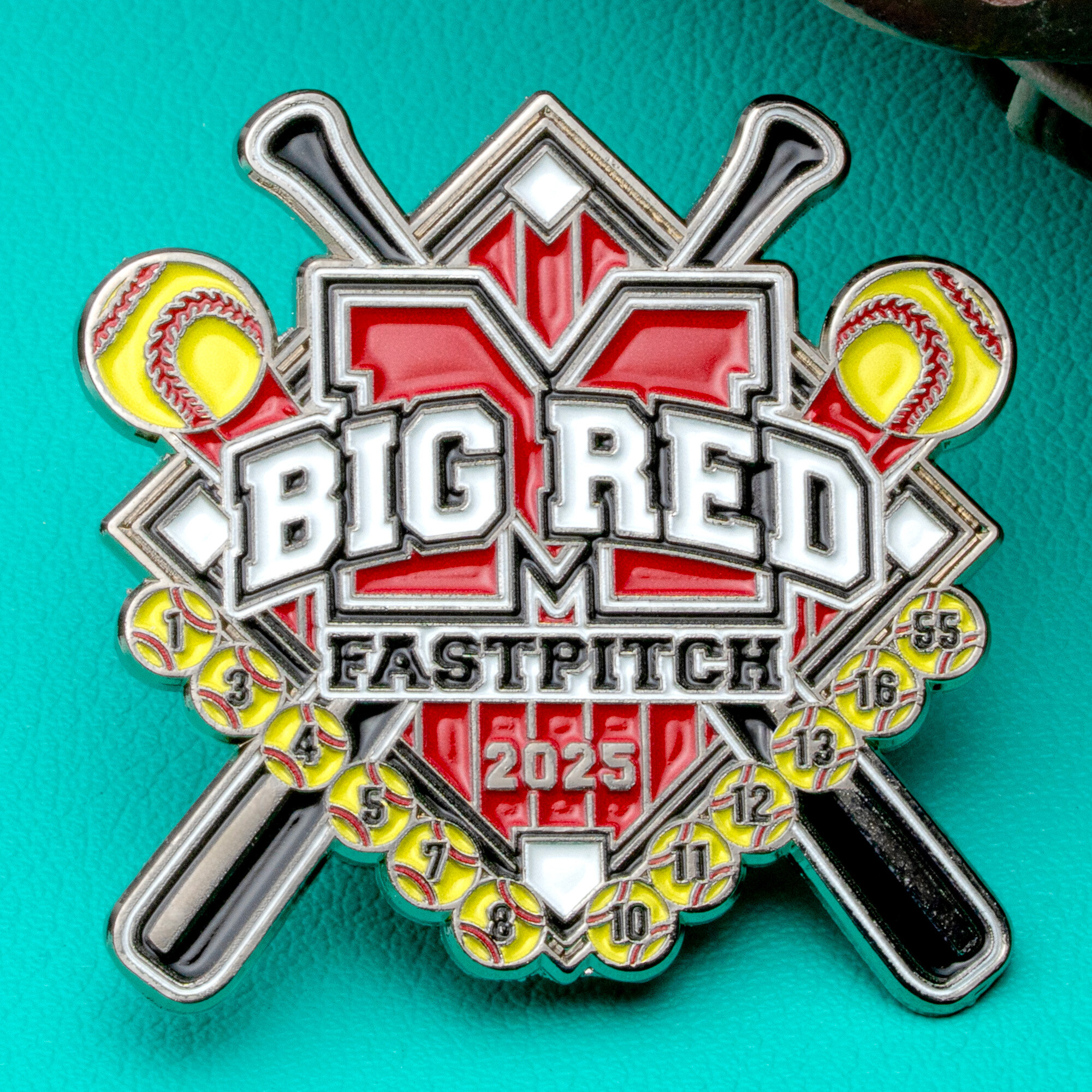
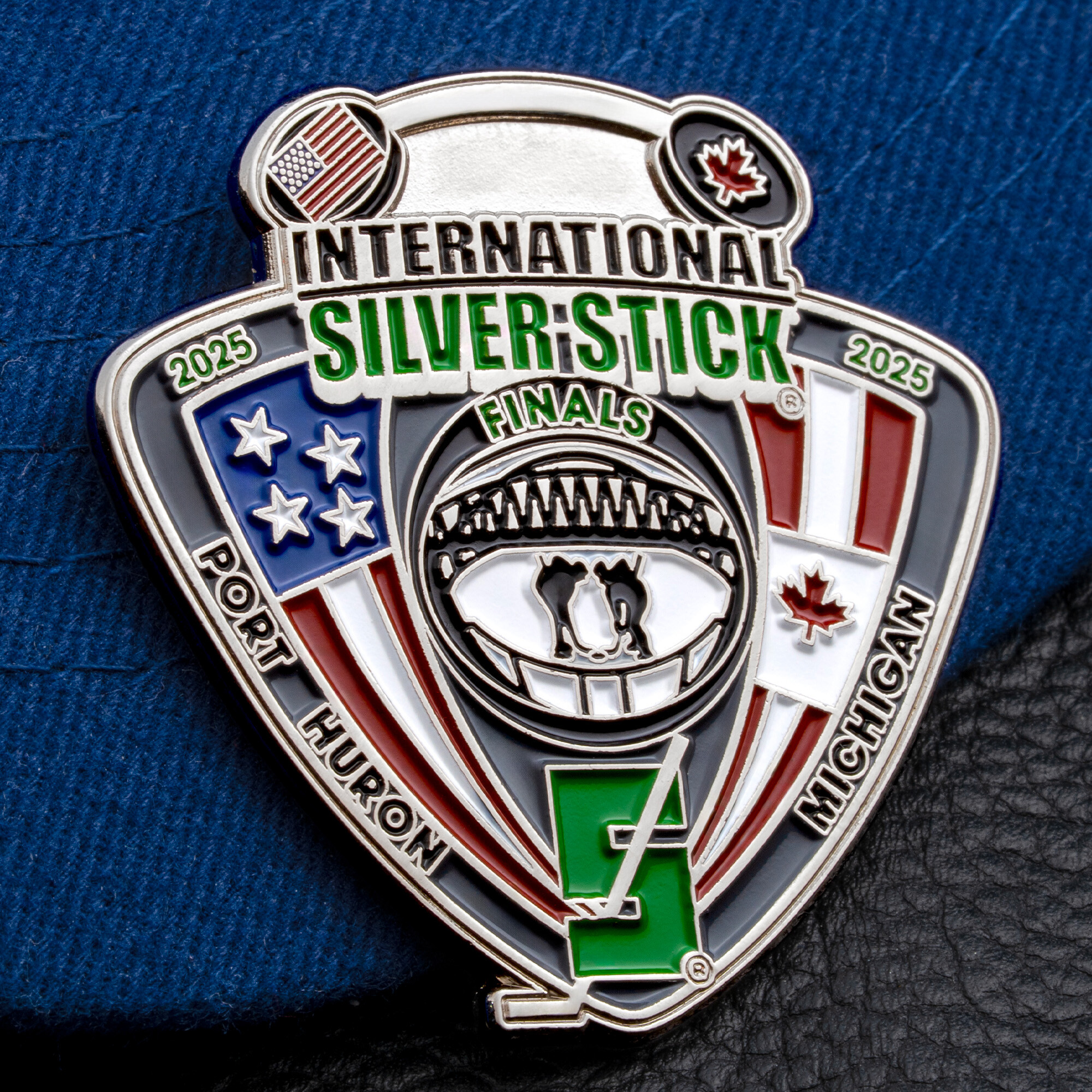
Trading pins are the engine of youth sports pins — players swap them with every opposing roster at tournaments, and a team that shows up without them goes home empty-handed. Plan on 25–50 per player and lean on the upgrades that trade well: our trading pin guide covers the per-player math and upgrade rankings, and hockey pins get their own page for rink-season orders.
Booster Clubs and Fundraisers
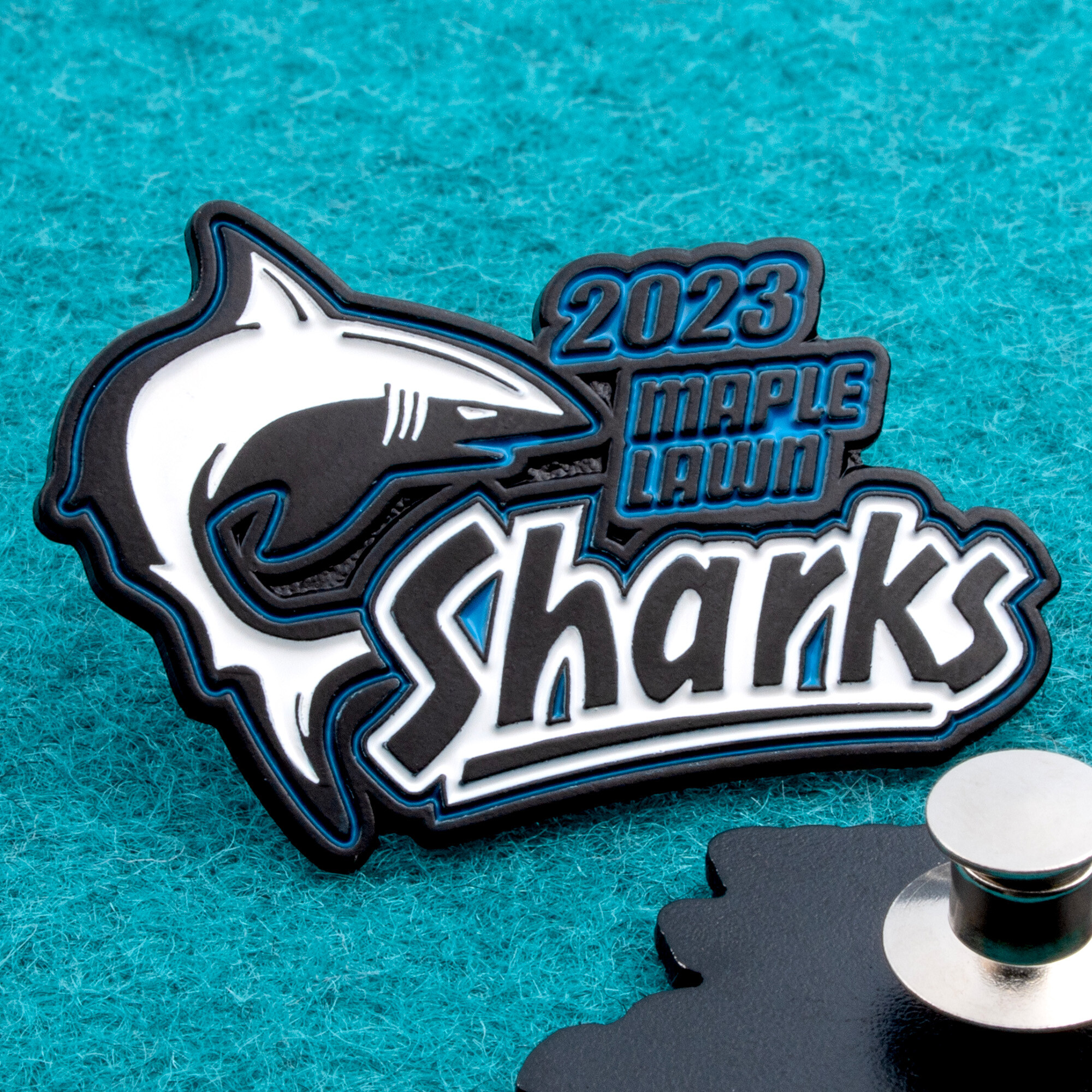
A booster club's pin sells at the concession stand for three or four times what it costs at quantity, which makes it one of the highest-margin fundraisers a club can run. Spirit pins with the mascot, season pins with the year, and player-name pins parents buy by the handful all come out of one order — through bulk and wholesale pricing when the club is buying to resell, ideally on pin cards that carry the team's branding at the table.
Leagues, Athletic Departments, and Awards
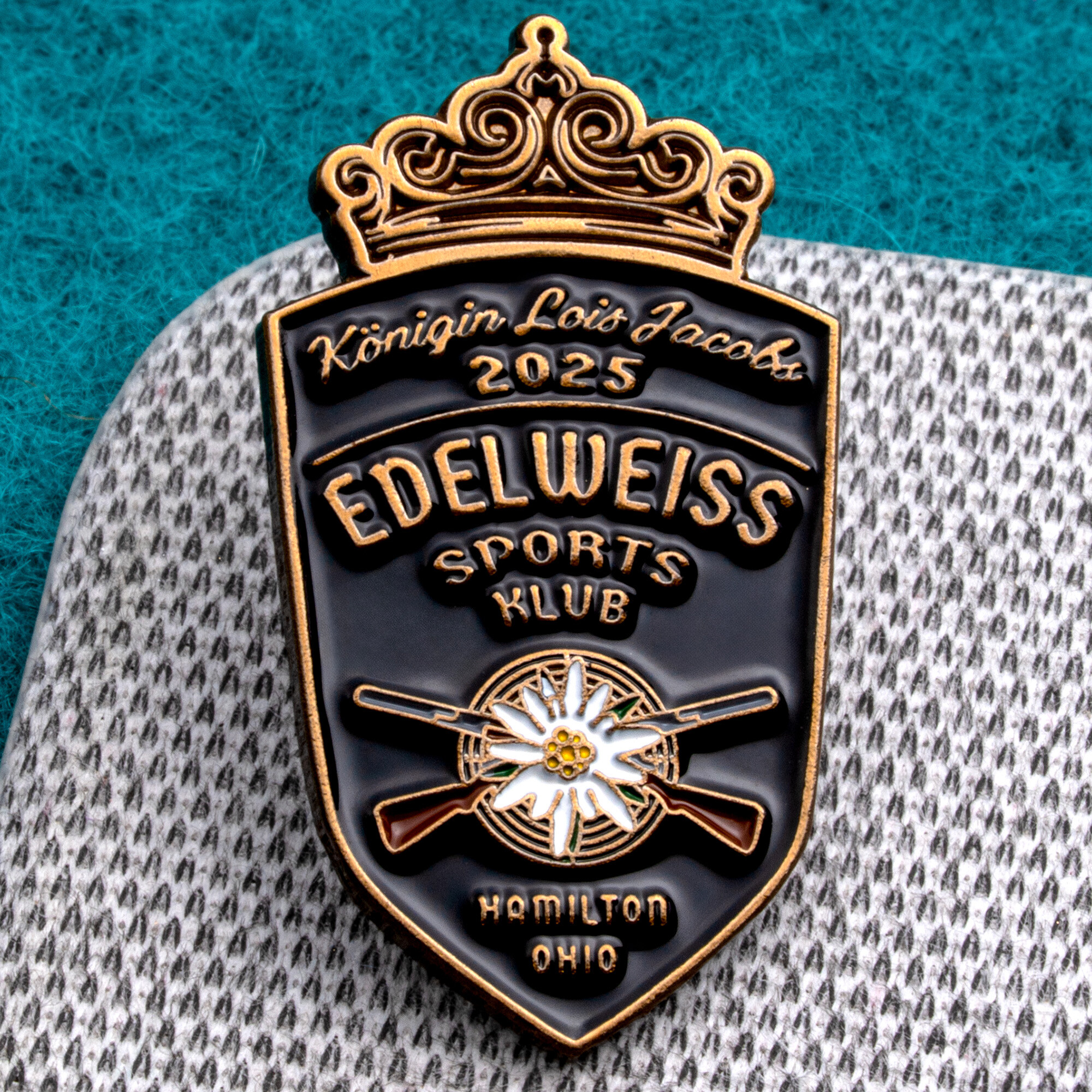
The league office buys differently: championship and all-star pins, coach and volunteer recognition, referee and staff pins, and anniversary designs for the league's own milestones. These orders are smaller and more formal — a die struck or cloisonné piece that reads as an award, not a giveaway — and one base design with year tabs serves a program for a decade.
Trusted by teams across industries
From Your Vision to a Finished Masterpiece
Don't touch a pixel. Our award-winning design team handles everything, you just share your idea and approve the proof.
See What Our Customers Are Saying
Pins We've Created for Teams Like Yours
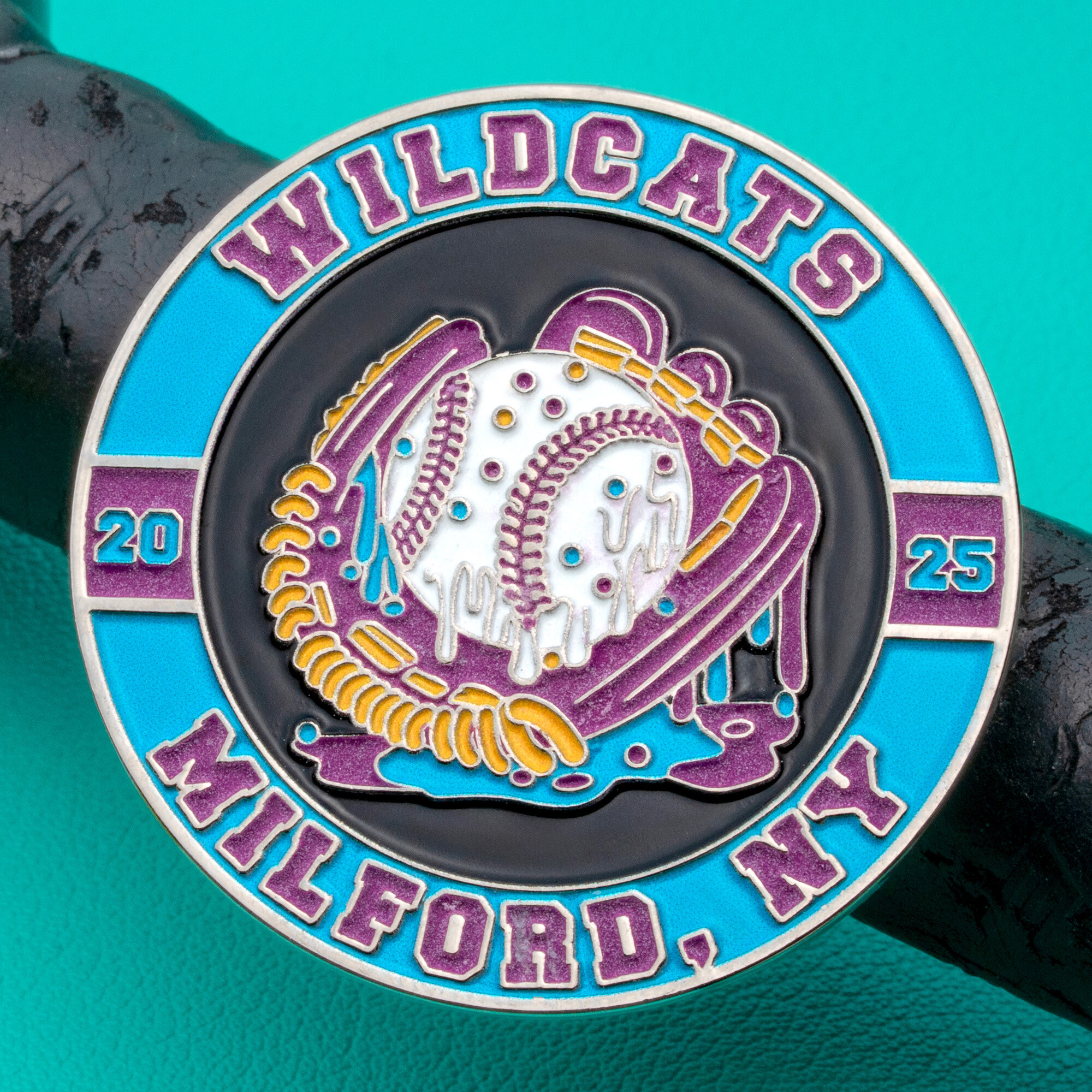
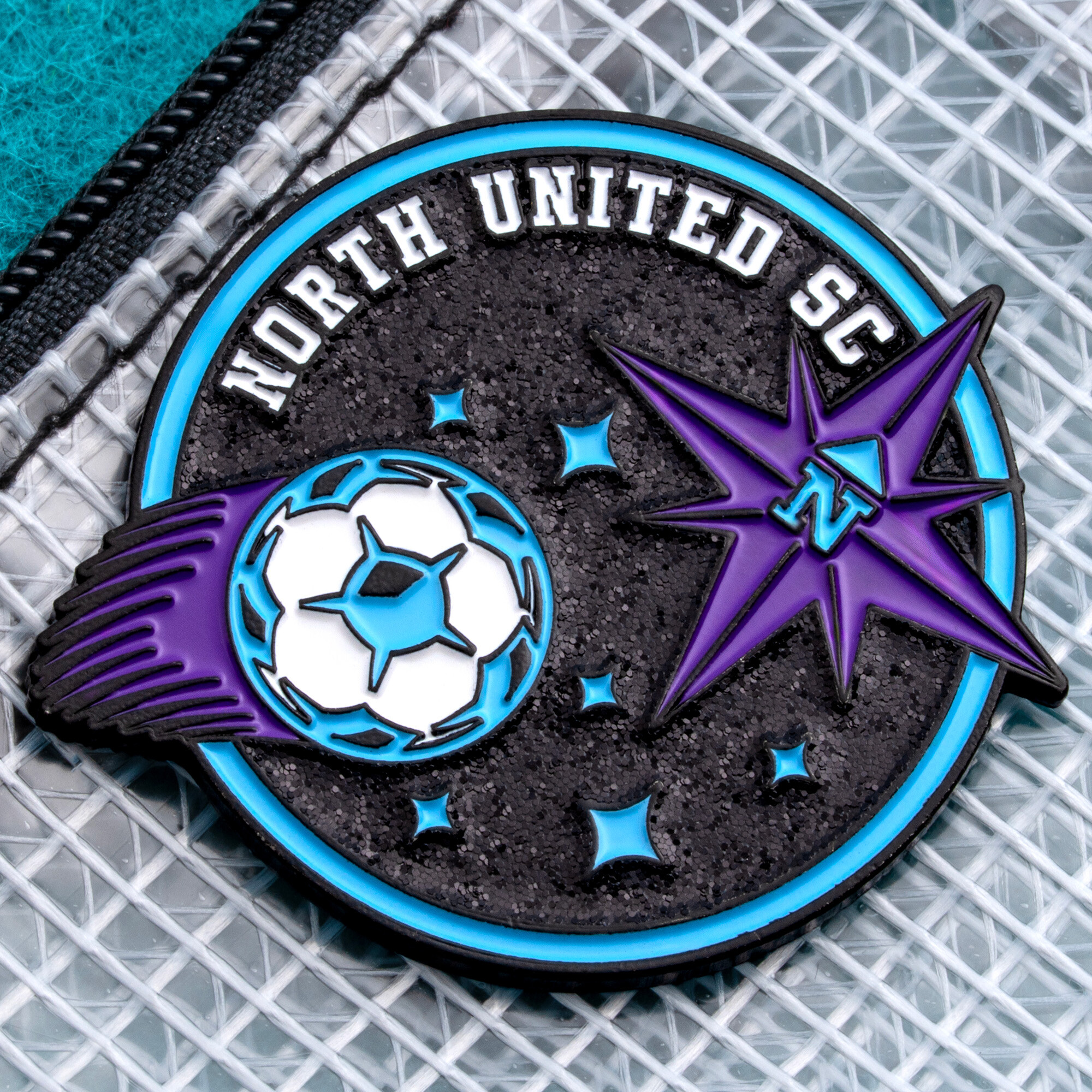
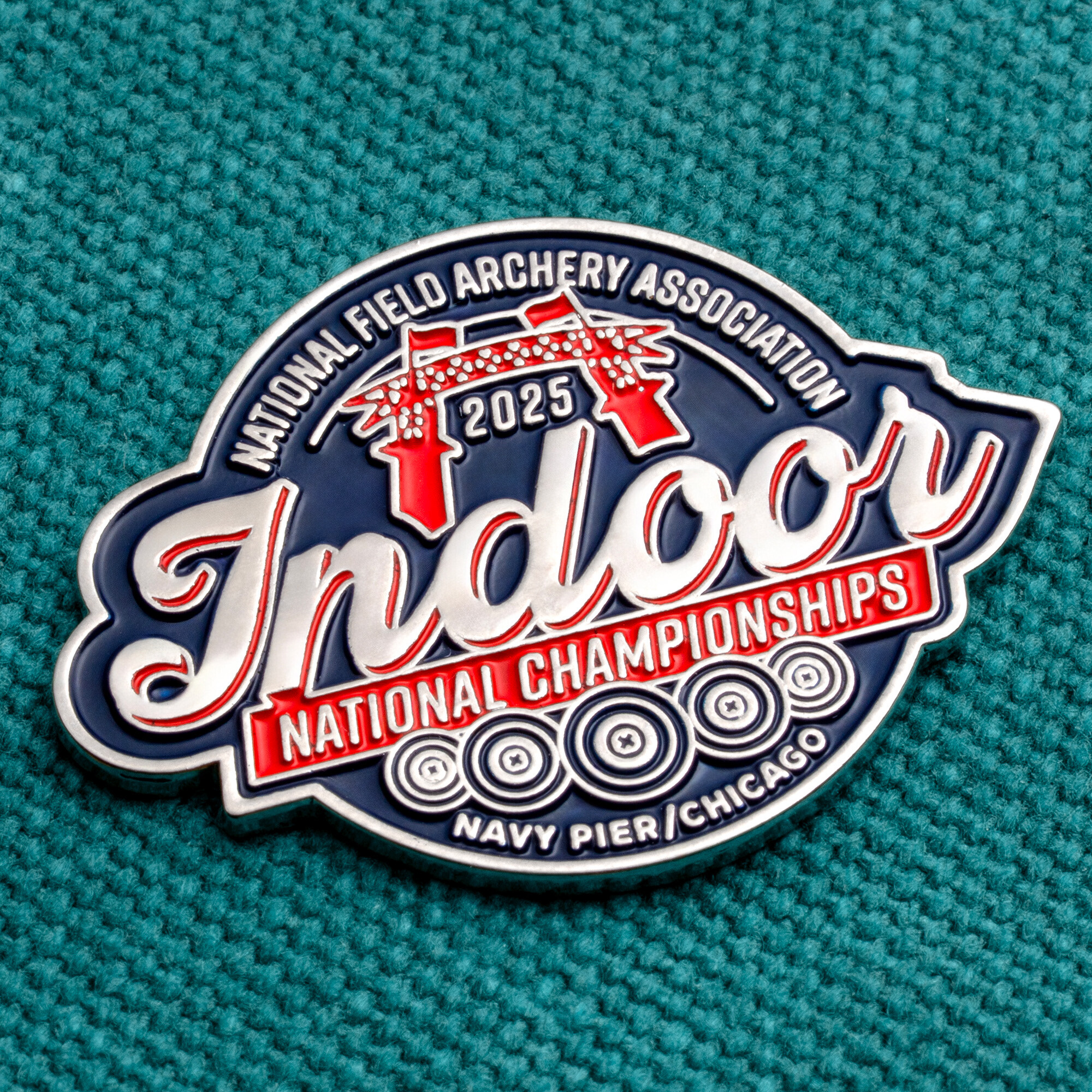
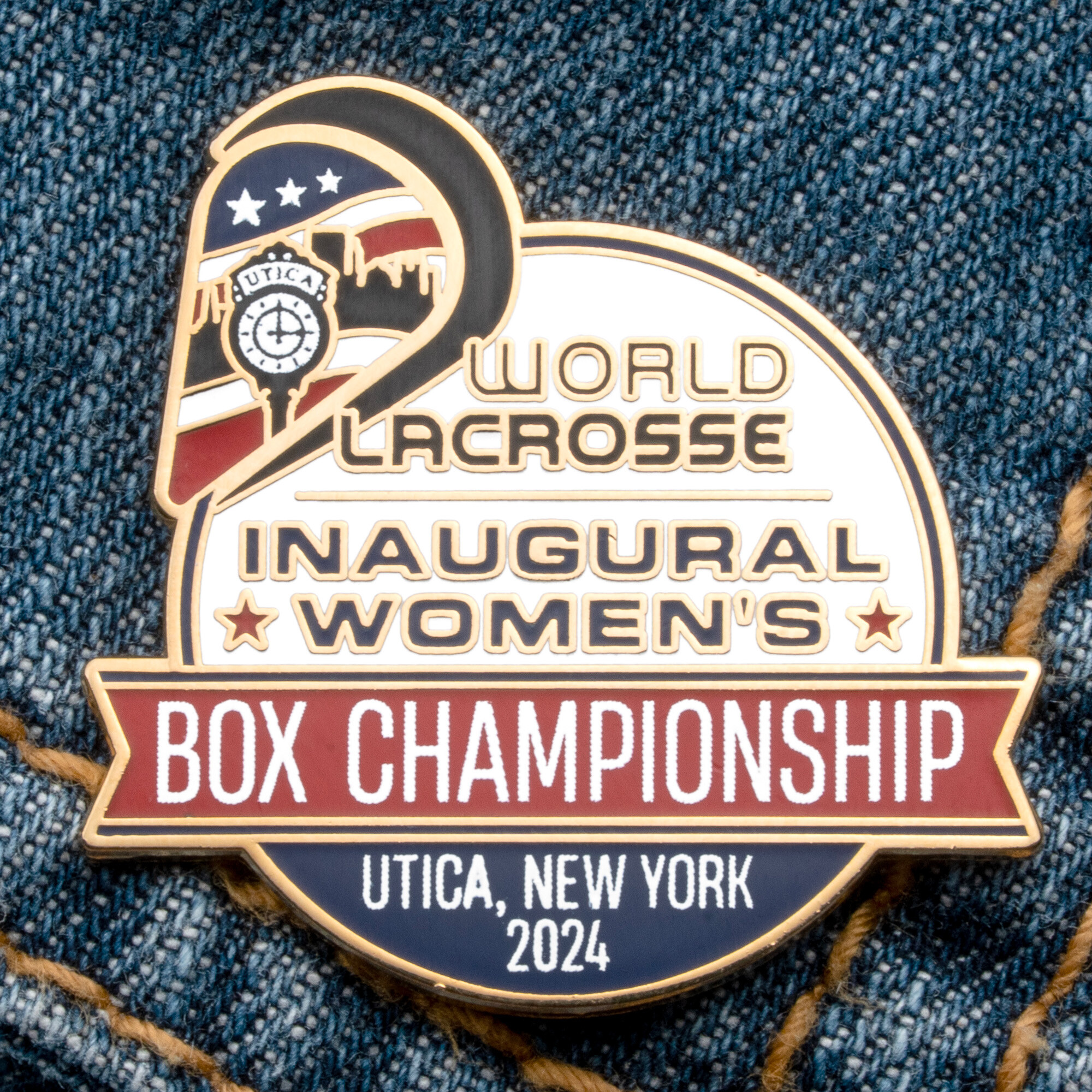
Start a pin like this!
Built for Tournament Season
A roster that finalizes late, a board that has to sign off, and a tournament date that doesn't move. We've built pins around all three for 26 years.
Trading Pins, Spirit Pins, and Award Pins
Three names, three buyers, one product — and the style decisions that separate them.
Sports pins sort by what happens to them after the order arrives. A trading pin is currency — made to leave, swapped player-to-player at tournaments, judged by size and flash. A spirit pin is merchandise — the mascot design sold at the gate and worn on lanyards and caps all season. An award pin stays — the championship, the all-star selection, the coach's years of service — and it's the one worth building like jewelry. All three usually start from the same logo.
Style follows the job. Trading and spirit pins are soft enamel almost without exception — raised metal lines, bright recessed color, and the best price at tournament quantities — with upgrades like blinkies, spinners, sliders, danglers, and glitter doing the trading-floor work. A photographic mascot or a gradient the enamel palette can't hold reproduces exactly with offset printing. Award pieces step up to cloisonné, polished flush and built to be kept.
The buying math rewards planning. Per-pin cost drops at 100, 200, 300, and 500, so a league that pools one design across every team lands a far better tier than each team ordering alone — and a booster club that orders at 300 instead of 100 roughly doubles its fundraising margin at the table. Order six to eight weeks before tournament season and the date takes care of itself; the volume tiers are worth reading before the budget meeting.
Everything You Need to Know
How many trading pins does each player need?
Plan on 25–50 pins per player for a weekend tournament — enough to trade with every opposing roster plus keepsakes. Our trading pin guide walks the per-player math, the upgrades that make a pin tradeable, and how the volume tiers change the budget.
What do sports pins cost?
Price depends on size, style, and most of all quantity — per-pin cost drops at 100, 200, 300, 500, and on up, which is why leagues that pool one design across every team land in a much better tier than each team ordering alone. Compare the volume tiers before you set the budget.
Can booster clubs sell pins as a fundraiser?
Yes, and it’s one of the highest-margin items a booster club can run: pins cost a few dollars each in quantity and sell for ten or more at the concession stand or spirit night. Order through bulk and wholesale pricing if you’re buying to resell, and ask about pin cards — a pin on a branded backing card outsells a loose pin in a bowl.
Can you match our team's colors and mascot?
Yes — send the logo, mascot art, or even a jersey photo and our art team matches the palette in enamel, including Pantone matching where the league specifies colors. Custom shapes cost nothing beyond the mold, so a puck, a bat, a mascot silhouette, or the team crest all strike cleanly.
What makes a trading pin worth trading?
Size and movement. Bigger pins trade higher, and upgrades like blinkies, spinners, sliders, danglers, and glitter enamel are what kids hunt for on the trading floor. The trading pin guide ranks the upgrades by how much trading value they add per dollar.
What pin style should a team choose?
Soft enamel is the trading-pin standard — raised metal lines, bright recessed color, and the best price at tournament quantities. Offset printed reproduces photographic mascots and gradients exactly. For a coach or championship piece meant to last, hard enamel comes back polished flush and jewelry-grade.